Pain rests at the crossroads of physiology, psychology, and social context. A paramedic maintains a fractured femur at 2 a.m., a registered nurse trains an individual through the first 1 day after abdominal surgery, a physiotherapist restores flexibility while handling neuropathic discomfort flare‑ups. Each technique sees a various face of the trouble, yet every one of them influence just how much the client suffers and just how quick they recuperate. That is why targeted pain administration training, from brief programs to official accreditation, has actually come to be a core component of specialist growth for allied health.
This guide lays out what to anticipate from a pain administration training course, exactly how qualification matches technique for registered nurses, physio therapists, paramedics, and various other medical professionals, and just how specific frameworks like PUAEME008 Supply pain administration form day‑to‑day choices in emergency situation setups. It leans on genuine situations, useful assessment suggestions, and an honest consider trade‑offs you will certainly meet in the field.

The situation for organized discomfort education
Most clinicians initial learn discomfort assessment in a generalist program. You keep in mind the 0 to 10 mathematical ranking range, the Wong‑Baker encounters, and the fundamentals of NSAIDs versus opioids. Then fact complicates points. A dementia individual that can not reveal needs. A young adult who looks great yet prices their pain at 9. A post‑op instance where you titrate morphine only to find the discomfort is largely spasm and fear. Without organized refreshers, behaviors set in and subtlety fades.
Modern pain monitoring training programs are created to close that void. Great programs bring a biopsychosocial lens, sensible pharmacology, and skills for acute and persistent contexts. They additionally upgrade you on safety standards and regulation, as an example real‑time prescription surveillance, neighborhood analgesic procedures, and non‑pharmacological accessories that meet guideline limits for evidence.
What counts as a top quality pain administration course
A reputable pain monitoring certificate course balances theory and hands‑on method. Try to find evidence‑based curricula, clear understanding end results, and evaluation that tests judgment as opposed to memorizing recall. When I examine a program for our group, I search for three fundamentals. First, organized assessment training that exceeds a single scale and consists of function‑based measures, warning screening, and review periods. Second, pharmacology that separates nociceptive, neuropathic, and mixed discomfort, with clear application structures, titration methods, and security monitoring. Third, non‑drug techniques that are more than platitudes: led pacing, rated direct exposure, breathing or relaxation techniques, and device‑based choices like 10s with sensible parameters.
Accreditation matters, however the details differ by country. Several pain administration training courses line up to nationwide competency structures or continuing expert growth (CPD) standards. In emergency situation contexts, distinct devices of competency like PUAEME008 Offer pain management work as criteria for paramedics, event paramedics, and initial responders who require a firmly scoped skill set for intense care.
Spotlight on PUAEME008 Supply pain management
PUAEME008 Give pain monitoring is a system of expertise used in a number of Australian emergency situation care qualifications. While the phrasing can vary in training plans, the significance corresponds: analyze pain swiftly, pick ideal analgesia within range and procedures, carry out safely, screen action, and turn over precisely. I initially dealt with a group transitioning from an older system to PUAEME008, and the modification required cleaner documentation practices and more regimented reassessment intervals, which instantly improved patient experience at sports occasions and remote clinics.
For clinicians in these atmospheres, the stamina of PUAEME008 is its operational clarity. You learn exactly when and just how to deploy breathed in methoxyflurane for modest trauma discomfort, when to rise to opioid analgesia within service guidelines, just how to make use of complements like splinting and chilly therapy, and just how to track sedation and respiration utilizing standardized observations. The system also emphasizes spoken permission, contraindication screening, and escalation to innovative treatment when discomfort is not responding as expected.
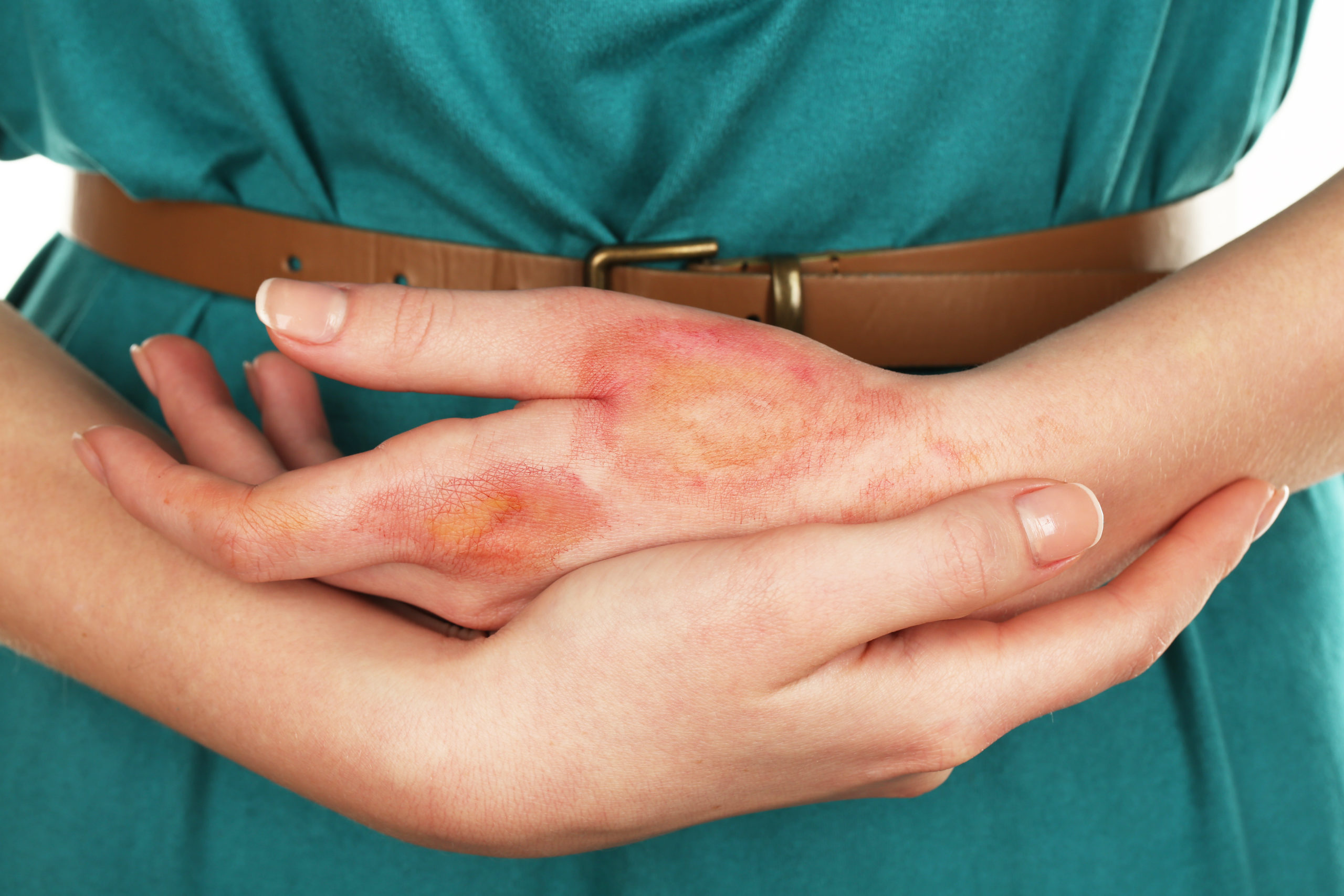
If your function consists of emergency situation discomfort management in the field, a PUAEME008 supply pain management course can be the difference between improvisation and regimented method. Employers commonly integrate it right into onboarding for event medical staff, mine website medics, or remote location responders, after that audit documents versus unit standards during yearly abilities checks.
Matching courses to specialist roles
Not every pain administration certification offers the same requirement. A medical facility registered nurse uses various bars than a neighborhood physio therapist, and a paramedic deals with distinct time stress and scene risks. Pick training that respects your scope and context.
Nurses gain from discomfort monitoring courses for registered nurses that cover post‑operative paths, PCA device safety and security, opioid stewardship, delirium risk, and interaction with families that may conflate sedation with convenience. Consist of modules on non‑verbal pain assessment for essential care, and on functional topics like transforming opioid doses throughout step‑downs from IV to dental regimens. Paediatric nursing requires unique attention to weight‑based application and developmental communication.
Physiotherapists search for discomfort monitoring programs for physio therapists that mix discomfort neuroscience education and learning, rated activity planning, and strategies for main sensitization without appealing wonder remedies. A good program instructs you how to speed progression when a client oscillates between flare and concern evasion, how to incorporate sleep and anxiety testing, and exactly how to collaborate with prescribers when neuropathic functions require medicine modifications. Manual treatment and exercise are still important, yet the structure changes from dealing with cells to developing capacity.
Paramedics and very first responders require brief courses hurting management that highlight rapid evaluation, secure analgesic selection on the move, and useful complements like immobilization and interruption. Inhalational options, intranasal paths, and small‑volume tools matter when your patient is entraped in a car or relocating down a narrow stairwell. The PUAEME008 give pain administration framework is very appropriate here.
Allied wellness outside these categories, such as physical therapists, foot doctors, and radiographers, usually look for a certificate program in pain monitoring to enhance client preparation and adherence. For instance, radiographers who trainer deep breathing and positioning can decrease motion pain during imaging and enhance research study top quality. OTs can teach energy conservation and job simplification that reduced pain concern without clinical changes.
Core content you ought to anticipate in a discomfort monitoring certification course
Even as training course titles differ, the core domain names are remarkably regular when programs are built on current proof. Anticipate a structured progression from mechanism to management.
Assessment principles. You must practice multiple scales, discover when to select each, and anchor scores to function. I motivate nurses to include 2 function inquiries for any confessed person: what motion sets off discomfort most, and what does effective alleviation enable in the following six hours. Review methods are just as important as initial scoring. A solid program requires documents of both peak discomfort and worst activity pain, because these are usually different.
Pharmacology with guardrails. Pain administration training must distinguish nociceptive, neuropathic, and blended discussions, after that link each to first‑line alternatives. For example, neuropathic pain commonly responds partly to gabapentinoids or SNRIs, pain management course while pure cells injury may react much better to NSAIDs and paracetamol, with opioids reserved for short windows. Titration techniques, maximum day-to-day doses, kidney and hepatic modifications, and medicine communications belong in the practical notes you really maintain the bedside or in your kit.
Non pharmacological strategies with application detail. Way too many programs listing warm, ice, and 10s without criteria. Quality training define timing, regularity, and cues for quiting. It additionally attends to cognitive techniques like reframing discomfort signals during graded exposure, or just how to use breathing patterns throughout wound treatment. For persistent discomfort, you desire clear guidance on rest health mentoring, flare‑up planning, and micro‑goals that develop a feeling of control.
Risk management and opioid stewardship. Programs worth your time include material on opioid‑induced breathing clinical depression, bowel irregularity prevention, and diversion danger. In 2020 our service reduced ED monitoring time for modest trauma situations by approximately 15 percent after retraining team in a basic titration and review cycle for IV morphine, coupled with set up laxatives and a handover manuscript. The mechanics are teachable, and they pay off.
Communication with people and families. The most effective pain management training for nurses and physiotherapists hangs around on assumption setup. If you tell a client that you are going after comfort that enables coughing and walking, not absolutely no pain, you line up goals and decrease unneeded acceleration. The mounting matters just as much in a fitness center as in a ward.
Emergency pain administration in the field
Acute pain in prehospital and occasion settings presses time and increases variables. You might be functioning under rainfall, amid crowd sound, or in a cramped restroom. A focused discomfort monitoring program developed around emergency situation situations trains behaviors that make it through chaos.
Scene safety and security establishes whether you can do more than maintain. Splinting and placing occasionally decrease discomfort more than medication in the very first 5 mins, specifically for long bone cracks or shoulder misplacements. Inhaled analgesia like methoxyflurane can knock the pain down rapidly while you prepare IV access if methods permit. Intranasal fentanyl has a role when venous gain access to is challenging, but you need clear application tables and escalation requirements. PUAEME008 Supply pain monitoring places these decisions right into a list structure that groups can debrief accurately after shifts.
Documentation belongs to the treatment. I highlight a constant handover line to paramedics or ED personnel that includes mechanism, optimal pain, function anchor, interventions with times and doses, and the very first reassessment factor. In technique this stops duplicate application and keeps the analgesic plan on a rational track.
Edge situations deserve attention. Elderly individuals with kidney problems and polypharmacy need traditional dosing and even more regular observation. Individuals with opioid tolerance may call for greater first dosages, yet they are equally as vulnerable to negative results if you pile sedatives. Agitated head injury makes complex both evaluation and analgesia choice. Quality discomfort administration training programs deal with these without alarmism, supplying realistic choice trees.
Chronic discomfort, rehabilitation, and the lengthy game
Chronic pain monitoring is not the key target of every certificate program, yet even emergency‑focused programs must give you a framework for the patient who reappears over and over. A physiotherapist that understands central sensitization and anxiety avoidance can direct a cautious person through rated activity with specific flare‑up regulations. A nurse that discusses that full pain silence is not the standard can reset expectations that avoid unneeded admission.
Behaviorally anchored approaches make the abstract functional. As an example, a patient with persistent low back pain may devote to 2 strolls each day, each simply enough time to get to a 3 to 4 out of 10 boost in pain that fixes to baseline within 24 hours. This "subject however do not bewilder" concept functions across joints and medical diagnoses, and it is teachable in a pain monitoring accreditation course with patient manuscripts and examples.
Building a training plan for your team
In hectic services, education and learning takes on rosters and budgets. A mixed technique is often the only practical path. I have actually seen the very best outcomes when companies mix a fundamental discomfort monitoring program for all medical professionals with targeted modules for certain roles. For brand-new beginners, a short certification training course suffering monitoring that includes PUAEME008 offer discomfort administration covers the intense base. For ward registered nurses, a ward‑based workshop on opioid conversions and PCA troubleshooting can reduce calls to after‑hours medical professionals. For physiotherapists, a two‑day pain neuroscience workshop paired with monitored situation speaks with concretes skills.
One medical facility I collaborated with cut post‑operative pain rises by about a quarter over 2 quarters after applying three adjustments: a standardized reassessment schedule embedded in digital observation charts, an easy nurse‑led path for dental multimodal analgesia within specified ceilings, and an interaction script to set person expectations at admission. These modifications grew from training however were sustained by process tweaks. Training courses begin the shift, systems keep it going.
What assessment and qualification look like
Pain management accreditation can be found in numerous tastes. Some are formal units like PUAEME008 with useful assessment and scenario screening. Others are certificate programs supplied by colleges or professional colleges with on the internet components, study, and proctored exams. The legitimate ones exceed multiple option. Expect observed structured scientific exams, drug estimation checks, and substitute handovers. For nurses and paramedics, local drug authority endorsements or protocol sign‑offs may ride on the back of the course.
Keep an eye on recency demands. Skills plain without use, especially step-by-step analgesia and device usage. Great programs specify re‑credentialing cycles, often every two to three years, and enable much shorter refresher course modules rather than duplicating the entire discomfort monitoring accreditation course.
Selecting a company without purchaser's remorse
Marketing language around discomfort management training is usually shiny. Strip it back with a few pragmatic checks.
- Faculty trustworthiness: trainers with existing clinical practice, not simply academic titles. Ask just how often they operate at the bedside or in the field. Assessment roughness: a written test alone is insufficient. Try to find simulation, drug calculations, and observed sensible skills. Protocol positioning: materials ought to match your local medication formularies and lawful frameworks. Imported material without localization wastes time. Post training course support: accessibility to updates, quick reference overviews, and a line for inquiries throughout the first months of implementation. Outcome monitoring: service providers that aid you gauge modifications, such as decrease in time to very first analgesia or boosted documents completeness.
These checks typically remove programs that promise a discomfort monitoring certification but deliver little past slides.
Practical pharmacology, typical challenges, and more secure habits
Pain management training for registered nurses and paramedics commonly exposes patterns of over and under‑treatment. Under‑treatment comes from anxiety of opioids or missing non‑drug choices. Over‑treatment conceals in stacking sedatives or falling short to reassess after an initial dose.
I show a behavior loop that improves security. Dose decently within protocol, set a timer for reassessment, check pain, sedation, respiration, and function, after that choose whether to repeat, switch over agents, or include an accessory. The feature support is crucial. If a patient states pain is still 6, yet they can now cough, take a sip, and pivot sideways, that might be an acceptable plateau, especially in the initial hour after a serious injury or major surgery.
Multimodal programs work when they are genuinely set up and corresponding. Paracetamol in a timely manner, an NSAID if not contraindicated, a localized alternative like topical diclofenac or lidocaine patches when relevant, and regionals or blocks when readily available. Opioids then cover heights as opposed to develop the entire foundation. A good discomfort management training course shows you just how to write these orders, discuss them with prescribers, and spot when a client is slipping into adverse effects that need to cause a switch.
Documentation that boosts treatment, not just compliance
Documentation often gets mounted as a conformity task. Suffering monitoring it is a clinical tool. The combination of a clear standard, an intervention record with times and doses, and a practical target informs the following medical professional where to get. I encourage quick however certain entrances: "Pain 8 at remainder, 10 on coughing. Goal: cough and stay up with discomfort ≤ 6. Given oxycodone 5 mg 14:05, paracetamol 1 g 14:10, showed cushion splinting. Rechecked 14:35: pain 5 on cough, sat at edge pain management training workshops of bed." That limited note aids the next nurse plan and guards the person from duplicate dosing.
Courses that include charting method, especially with regional digital health documents, deserve more than polished theory alone. It is something to recognize you should reassess in 20 to 30 minutes, and one more to see precisely where to log it in your system so the alarm system advises you.
How physio therapists translate theory to movement
Physiotherapists commonly come out of pain monitoring training stimulated yet need anchors for real sessions. Utilize one educational minute at the beginning to mount the day's objective, after that relocate right into rated direct exposure with instant wins. As an example, an individual afraid of lumbar flexion could begin with sustained hip joint drills to 20 levels, paired with slow nasal breathing, after that proceed to sit‑to‑stands with a pillow. The exercise option matters less than the security signs and development logic. Pain neuroscience education and learning without a movement strategy rarely sticks. A discomfort administration certificate program that sets quick, repeatable manuscripts with particular progressions deserves the time.
Nurses as organizers of the analgesic plan
On surgical wards, registered nurses frequently coordinate the series of analgesia. A solid discomfort management training for nurses discusses how to time medicines about physical rehabilitation, wound care, and dishes. Giving a short‑acting opioid 20 minutes before breast physiotherapy can make the distinction between productive coughing and superficial breathing. In a similar way, think about evening application to prevent 3 a.m. pain spikes that untangle sleep and extend the recovery trajectory. When you see people as moving through a 24‑hour discomfort rhythm, not just fixed vitals, your treatment timing improves.
Ethics, equity, and bias hurting assessment
Courses rightly emphasize the mechanics of analgesia, but values and equity issue just as much. Pain is under‑treated in particular populations because of predisposition, interaction barriers, or presumptions about drug‑seeking. Educating requirements to emerge these patterns. Use interpreters early. For people with cognitive problems, lean on behavior ranges and family members insights. File plainly when you decrease or delay opioids and what option you used. These behaviors protect people and medical professionals, and they can be taught.
Making your certification count after the course
New abilities fade if they live only in certificates. Fold what you learn right into day-to-day method. I ask teams to embrace one visible change after a pain monitoring course. Examples include standardizing a 30‑minute reassessment home window, adding function‑based objectives to every analgesia plan, or putting a small "analgesia titration help" card on the drug cart. Small artifacts keep the training to life and spread it to new colleagues.
Many clinicians gather numerous certifications over a job. Select deepness over quantity. A solid pain monitoring qualification program, refreshed with targeted updates every couple of years, defeats a dozen superficial badges.
Where brief programs fit in a lengthy career
Short training courses suffering monitoring fill the gaps in between huge occupation moves. A two‑hour upgrade on intranasal analgesia, a morning on neuropathic discomfort testing, a night webinar on opioid conversions, each refines judgment and saves time later. They also prepare you for bigger steps, such as a formal pain monitoring certificate that might qualify you to teach peers or lead a service enhancement project.
For paramedics and initial -responders, a quick refresher course secured to PUAEME008 Supply pain administration keeps abilities sharp and documentation regular throughout staffs. For ward registered nurses, bite‑sized sessions linked to regional case evaluates keep the content based in reality.
Final thoughts from the floor
Pain administration is technological and human at the same time. The medications, tools, and ranges matter, yet the outcome hinges on what you observe, just how you time interventions, and just how you clarify the plan. The ideal discomfort administration training course gives you the devices, but your method turns them into relief the client can feel.
Choose programs that appreciate your range, need actual evaluation, and demonstrate how to act under stress. If you work in emergency care, a PUAEME008 offer discomfort monitoring program is a practical support. If you exercise on wards or in facilities, seek discomfort administration accreditation that ties medicine, activity, and mindset together. Then make the training noticeable in your notes, your discussions, and your routines. That is just how certifications become care.